New Delhi: Over the past ten years, India’s defense strategy has undergone a significant transformation—shifting from a largely import-dependent, reactive posture to a more assertive, technology-driven, and self-reliant framework. This evolution has been shaped by changing regional security dynamics, border tensions, and a broader national push toward strategic autonomy.
From Import Dependence to Self-Reliance
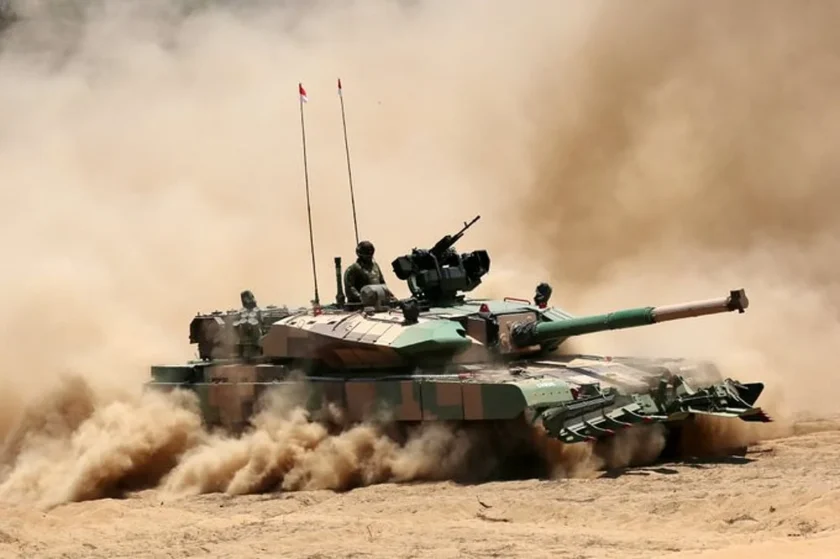
One of the most visible shifts has been the push for indigenous defense production under the “Atmanirbhar Bharat” vision. India has increasingly focused on reducing reliance on foreign suppliers by promoting domestic manufacturing through initiatives such as Make in India and the Defence Acquisition Procedure (DAP).

Defense Public Sector Units (DPSUs), private companies, and startups have been encouraged to develop platforms ranging from drones and artillery systems to missiles and naval vessels. This has marked a gradual but steady move toward building a domestic military-industrial ecosystem.
Modernization and Technological Upgradation
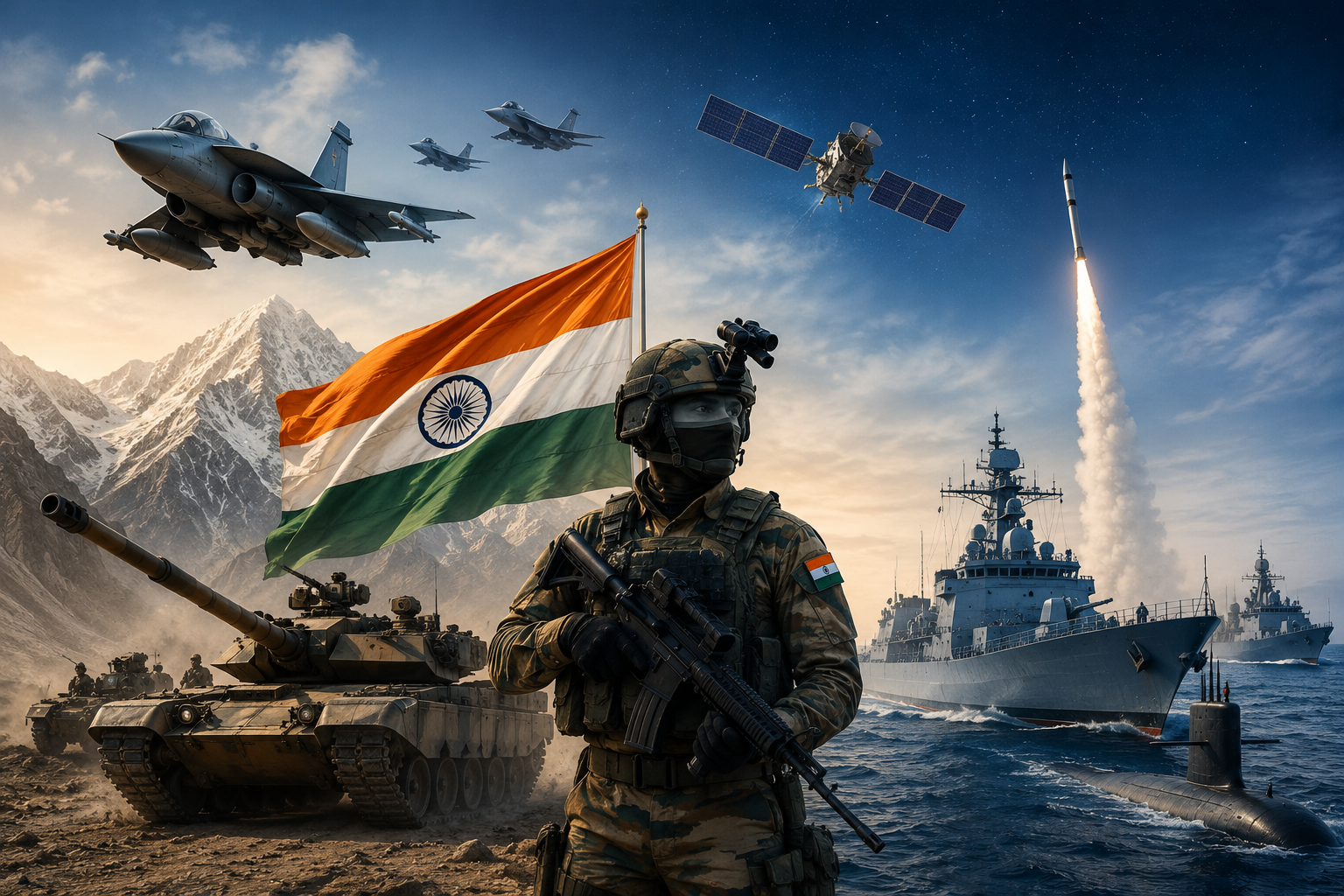
The Indian armed forces have accelerated modernization across all domains—land, air, sea, cyber, and space. Advanced systems such as precision-guided munitions, network-centric warfare capabilities, and integrated battlefield communication systems have become central to defense planning.
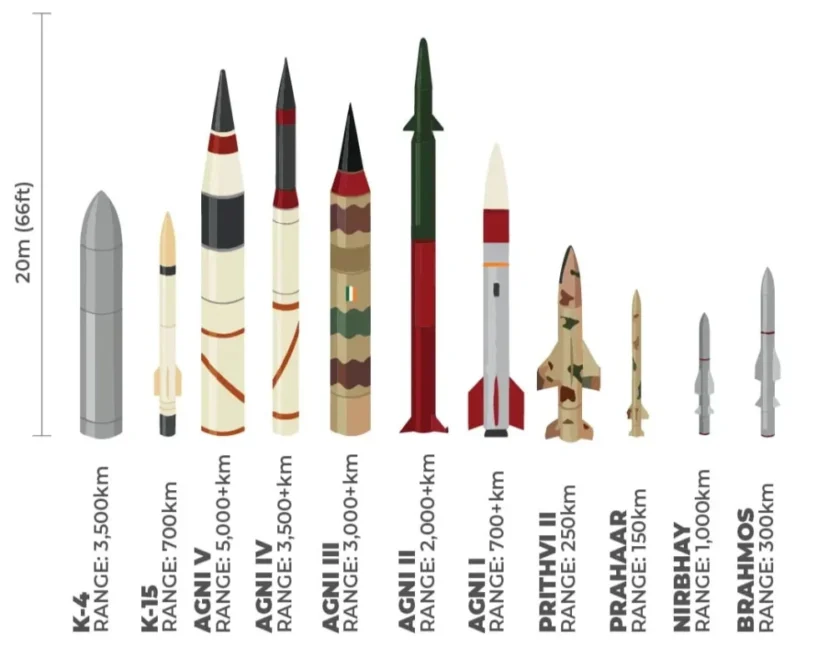
The induction of platforms like Rafale fighter jets, indigenous missile systems such as Astra and Agni series, and advanced air defense systems like S-400 has strengthened India’s strategic deterrence capability.
Shift Toward Multi-Domain Warfare
India’s defense doctrine has increasingly acknowledged that future conflicts will not be limited to traditional battlefields. As a result, there is a growing emphasis on:
- Cyber warfare capabilities
- Space-based surveillance and defense systems
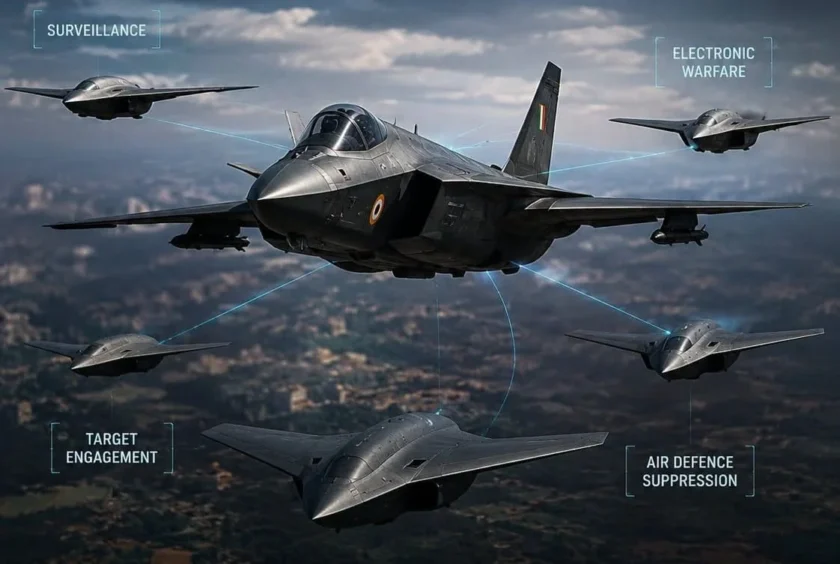
- Electronic warfare and intelligence integration
- Artificial intelligence-enabled defense applications
This multi-domain approach reflects the need to counter both conventional and hybrid threats simultaneously.
Border Security and Strategic Posture
Geopolitical tensions, particularly along the Line of Actual Control (LAC) with China and cross-border security concerns with Pakistan, have influenced India’s defense posture. The focus has shifted toward forward deployment, rapid mobilization, and infrastructure development in border regions.

Projects like advanced road networks, tunnels, and airstrips in high-altitude areas have significantly improved logistical readiness and operational response time.
Defence Diplomacy and Global Partnerships
India has also expanded its defense diplomacy, strengthening ties with strategic partners such as the United States, France, Israel, and Japan. Joint military exercises, technology sharing agreements, and logistics support arrangements have become key instruments of foreign policy.
At the same time, India has maintained strategic autonomy by avoiding exclusive alliances and continuing diversified procurement and cooperation.
Growing Role of Private Sector and Startups
A notable change in the last decade is the increasing participation of private industry and startups in defense innovation. Companies working in drones, surveillance systems, AI-based analytics, and aerospace components are now contributing meaningfully to national security capabilities.
This ecosystem is also supported by government-backed innovation programs and defense corridors in states like Uttar Pradesh and Tamil Nadu.
India’s defense strategy has evolved from a largely import-driven, reactive model to a more integrated, technology-centric, and self-reliant system. While challenges remain—especially in procurement efficiency and rapid technological adaptation—the trajectory clearly indicates a stronger, more confident defense posture aligned with India’s aspirations as a rising global power.




 ---------------------------------------------------------------------------------------------------